Introduction
At first glance, dldss612 might look like a random string of characters—but there’s often more beneath the surface than meets the eye. Whether you’ve stumbled across dldss612 in a technical setting, online discussion, or digital platform, understanding it can unlock a deeper layer of meaning and application.
In today’s fast-evolving digital world, identifiers like dldss612 play a crucial role in how systems communicate, organize, and function. They may represent codes, unique identifiers, or even niche tools that power specific workflows.
If you’re curious about what dldss612 actually means, how it’s used, and why it matters, you’re in the right place. This guide breaks everything down in a clear, human-friendly way—no jargon overload, just practical insight.
Understanding dldss612: What It Really Means
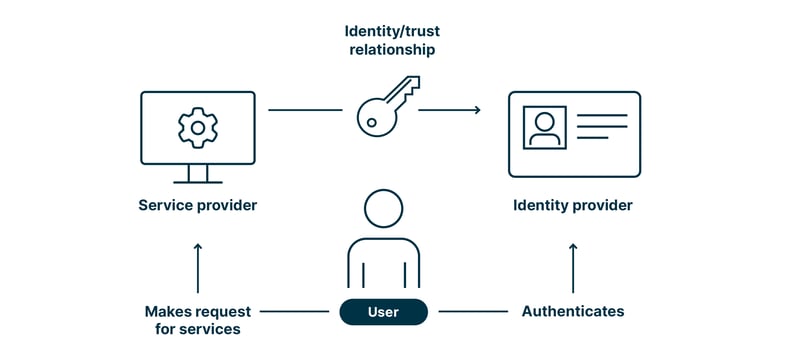
The term dldss612 doesn’t belong to a widely recognized dictionary or mainstream concept, which is exactly what makes it intriguing. In many cases, such terms function as:
- Unique identifiers in databases
- Internal system references
- Project or tool codes
- User-generated tags or handles
A Simple Definition
At its core, dldss612 can be understood as a structured alphanumeric identifier used to label, track, or differentiate something within a system.
These identifiers are especially useful in environments where:
- Thousands (or millions) of entries exist
- Manual naming would be inefficient
- Automation requires precise referencing
Why Identifiers Like dldss612 Matter
Modern systems rely heavily on unique identifiers. Without them, data would quickly become chaotic.
Key Reasons They’re Important
- Organization: Keeps data structured and easy to retrieve
- Accuracy: Reduces duplication or confusion
- Automation: Enables seamless processing by machines
- Scalability: Supports growth without breaking systems
Identifiers like dldss612 act as the backbone of digital ecosystems—even if users rarely notice them.
Common Uses of dldss612 in Digital Systems
1. Database Management
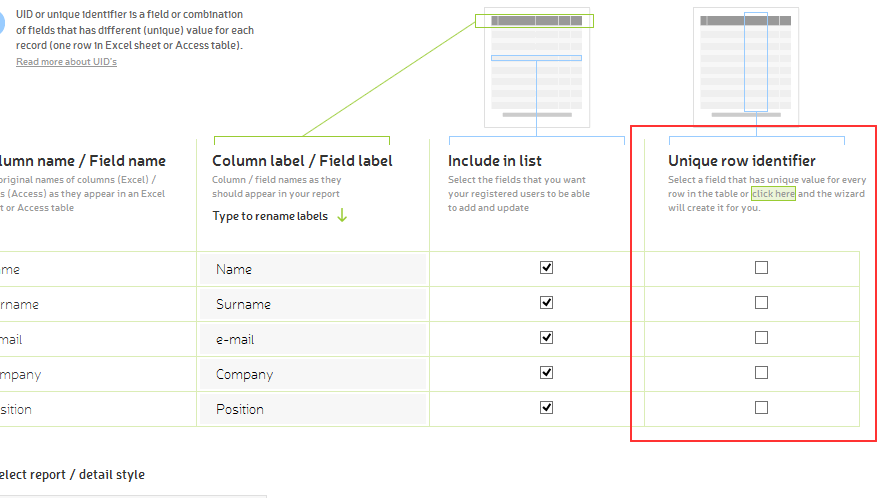
In databases, identifiers such as dldss612 are often used as primary keys. This ensures each entry is unique.
For example:
- User IDs
- Product codes
- Transaction numbers
Without these, retrieving specific records would be nearly impossible.
2. Software Development
Developers frequently assign identifiers like dldss612 to:
- Variables
- Functions
- Debugging references
These help maintain clarity in complex codebases.
3. Online Platforms
On websites or apps, dldss612 could represent:
- Session IDs
- Tracking parameters
- Internal URLs
These are often hidden from users but essential behind the scenes.
The Structure Behind dldss612
Even seemingly random identifiers often follow a pattern.
Breaking It Down
While dldss612 may look arbitrary, it could include:
- Prefix (dldss): Category or system reference
- Suffix (612): Sequential or unique number
Why Structure Matters
Structured identifiers allow systems to:
- Categorize data instantly
- Improve search efficiency
- Enable predictive sorting
How dldss612 Fits Into Modern Technology
Technology today is built on layers of abstraction—and identifiers like dldss612 are one of those foundational layers.
Role in Automation
Automation systems rely on identifiers to:
- Trigger workflows
- Track progress
- Log activity
For instance, a system might process tasks labeled with codes like dldss612 automatically.
Role in Data Analytics
In analytics, identifiers help:
- Track user behavior
- Monitor system performance
- Analyze trends
Without consistent labeling, data insights would be unreliable.
Practical Examples of dldss612 in Action
To make this more relatable, let’s explore some scenarios.
Example 1: E-commerce Platform
A product might have an internal code like dldss612. This helps:
- Track inventory
- Manage orders
- Analyze sales
Example 2: User Account Systems
Each user might be assigned a unique identifier similar to dldss612, ensuring:
- Secure login tracking
- Personalized experiences
- Accurate data storage
Example 3: Technical Logs
Systems generate logs with identifiers such as dldss612 to:
- Diagnose errors
- Track system events
- Improve performance
Benefits of Using Systems Like dldss612
Efficiency
Systems operate faster when data is indexed using identifiers.
Accuracy
Reduces human error in naming or categorization.
Flexibility
Allows systems to expand without losing structure.
Security
Identifiers can help anonymize sensitive data.
Challenges and Limitations
While useful, identifiers like dldss612 also come with challenges.
Lack of Human Readability
They’re not intuitive, which can make manual interpretation difficult.
Dependency on Systems
Without the system that generated them, identifiers may lose meaning.
Risk of Duplication
If not managed properly, duplicates can cause serious issues.
Best Practices for Using Identifiers Like dldss612
To maximize effectiveness, systems should follow certain principles.
1. Maintain Consistency
Use a standard format across the system.
2. Ensure Uniqueness
Avoid duplication at all costs.
3. Document Structure
Make sure developers understand what each part represents.
4. Optimize for Scalability
Design identifiers that can grow with the system.
The Future of Identifiers Like dldss612
As technology evolves, identifiers will become even more important.
Emerging Trends
- AI-driven systems requiring precise data labeling
- Blockchain technologies using unique hashes
- IoT ecosystems with billions of connected devices
Identifiers like dldss612 will continue to evolve in complexity and importance.
How to Recognize When You’re Seeing dldss612 in Use
Sometimes, identifiers are hidden in plain sight.
Where to Look
- URLs
- App logs
- Database exports
- Developer tools
Recognizing these patterns can help you better understand how systems work.
FAQ
Frequently Asked Questions About dldss612
What is dldss612 used for?
dldss612 is typically used as a unique identifier in digital systems, helping organize and track data efficiently.
Is dldss612 a specific tool or just a code?
It is generally a code or identifier rather than a standalone tool, though its exact use depends on the system.
Can dldss612 be changed or customized?
Yes, identifiers like dldss612 can be customized depending on system requirements and structure.
Why are identifiers like dldss612 important?
They ensure accuracy, organization, and scalability in digital systems.
Is dldss612 related to programming?
It can be used in programming contexts, especially for tracking variables, data entries, or system processes.
Are identifiers like dldss612 secure?
They can enhance security when used properly, especially for anonymizing data.
How are identifiers like dldss612 generated?
They are often generated automatically by systems using algorithms or sequential numbering.
Can two systems use the same identifier like dldss612?
Yes, but within a single system, identifiers must remain unique to avoid conflicts.
Conclusion
What initially looks like a random string—dldss612—actually represents something far more meaningful in the digital world. It reflects how modern systems manage complexity, maintain order, and enable seamless functionality behind the scenes.
From databases and software development to analytics and automation, identifiers like dldss612 are quietly powering the systems we rely on every day. Understanding them doesn’t just make you more tech-aware—it gives you insight into how the digital world truly operates.
As technology continues to expand, the role of identifiers will only grow. And next time you come across something like dldss612, you’ll know it’s not random at all—it’s a key piece of a much larger system.