Introduction
You know that feeling when a room just works—everything looks polished, inviting, and effortlessly put together? That’s the signature charm people associate with ballard designs. It’s not just about furniture; it’s about creating a home that feels curated, lived-in, and timeless all at once.
Whether you’re refreshing a single room or rethinking your entire home, understanding what makes this style stand out can save you from wasting money on mismatched décor. Instead of chasing trends, you’ll learn how to build a space that actually lasts—both visually and functionally.
This matters because most people decorate reactively—buying what looks good in isolation, not what works together. The result? Cluttered spaces, wasted budgets, and zero cohesion. Let’s fix that.

What Defines Ballard Designs Style?
At its core, ballard designs blends European-inspired elegance with practical American living. It’s not overly fancy, but it’s definitely intentional.
Key Characteristics
- Neutral color palettes with depth (not boring beige, but layered tones)
- Classic silhouettes (rolled arms, tailored upholstery)
- Functional yet stylish furniture
- Mix of textures—wood, linen, metal, glass
- Subtle patterns instead of loud prints
This isn’t trend-chasing décor. It’s built on design principles that don’t expire.
Why It Works So Well
Most homes fail because they lack cohesion. This style avoids that by sticking to a few guiding principles:
- Balance over excess
- Quality over quantity
- Timeless over trendy
That’s why rooms inspired by ballard designs often feel expensive—even when they’re not.
How to Build a Room Using Ballard Designs Principles
The mistake most people make? They start with small accessories instead of foundational pieces.
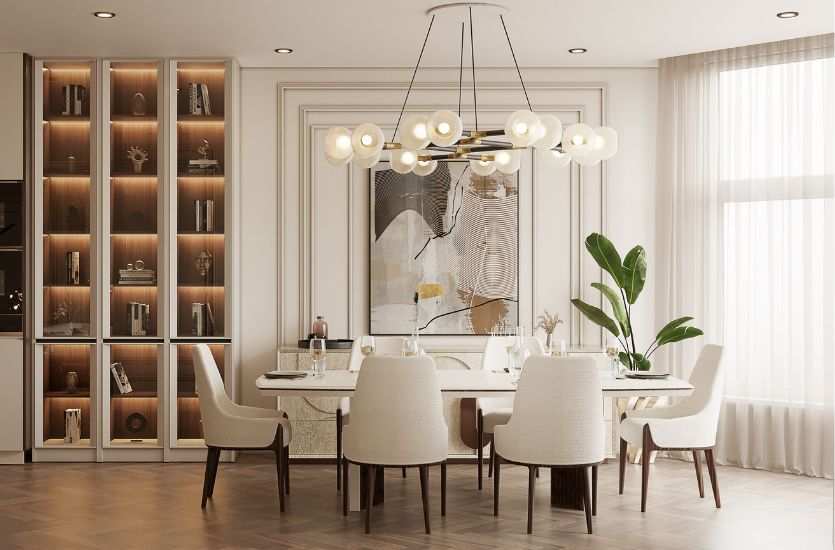
Start With Anchor Furniture
Your anchor pieces define the entire room:
- Sofa
- Dining table
- Bed frame
Choose classic shapes, not trendy ones. A good sofa should still look relevant in 5–10 years.
Layer With Purpose
Once the foundation is set:
- Add textiles (rugs, pillows, throws)
- Introduce lighting (lamps, sconces)
- Incorporate storage pieces (console tables, cabinets)
Each layer should add function, not just decoration.
Finish With Personality
This is where most people either shine—or ruin everything.
Use:
- Books
- Artwork
- Personal items
Avoid:
- Overcrowding
- Random décor pieces with no connection
Choosing Furniture the Smart Way
If you’re serious about replicating the ballard designs look, you need to stop buying impulsively.

What to Look For
- Solid wood construction or high-quality veneer
- Neutral upholstery that can adapt over time
- Multi-functional pieces (storage benches, extendable tables)
What to Avoid
- Ultra-trendy shapes
- Cheap materials that degrade quickly
- Pieces that don’t match your overall palette
The Reality Check
Most people waste money replacing cheap furniture every 1–2 years. Investing once in the right pieces is cheaper long-term.
Color Strategy That Actually Works
Color is where most homes fall apart.
The Ballard Approach to Color
Instead of bold, risky colors:
- Stick to neutrals (cream, taupe, soft gray)
- Add depth with darker accents (charcoal, navy, espresso)
- Use subtle patterns for visual interest

Why This Strategy Wins
- Easier to update over time
- Less risk of clashing elements
- Creates a calm, cohesive environment
Quick Formula
- 60% base color (walls, large furniture)
- 30% secondary tones (rugs, curtains)
- 10% accents (decor, pillows)
Stick to this, and your room will never look chaotic.
Layout Secrets Most People Ignore
Even expensive furniture looks bad in a poorly planned layout.
Common Mistakes
- Pushing everything against walls
- Ignoring traffic flow
- Overfilling the space
Better Layout Strategy
- Float furniture when possible
- Create conversation zones
- Leave breathing room
Example Layout Flow
- Sofa centered
- Chairs angled inward
- Coffee table anchoring the space
- Lighting evenly distributed
This is exactly how ballard designs creates that polished, magazine-ready look.
Mixing Old and New Without Looking Messy
This is where things get tricky.
The Right Way
- Pair a modern sofa with a vintage-style table
- Combine rustic wood with clean-lined décor
- Mix metals—but keep finishes consistent

The Wrong Way
- Throwing random styles together
- Mixing too many finishes
- Ignoring scale and proportion
Rule to Follow
Every piece should feel like it belongs—even if it’s from a different era.
Accessories That Elevate (Not Clutter)
Accessories should enhance—not overwhelm.
What Works
- Large statement pieces instead of many small ones
- Grouped décor (rule of 3)
- Functional accessories (trays, baskets)
What Doesn’t
- Tiny scattered objects everywhere
- Over-decorated shelves
- Trendy pieces with no purpose
Pro Tip

If removing an item improves the room, it didn’t belong there.
Lighting: The Most Underrated Element
Lighting can make or break everything.
The Three-Layer Lighting Rule
- Ambient (ceiling lights)
- Task (reading lamps)
- Accent (decorative lighting)
Why This Matters
Most homes rely on one harsh overhead light—which kills the atmosphere.
Better Approach
Use multiple light sources at different heights. This is a core principle behind ballard designs interiors.
Budget vs. Premium: Where to Spend
Let’s be blunt—spending randomly won’t get results.
Spend More On
- Sofa
- Dining table
- Mattress
- Lighting fixtures
Save On
- Decorative items
- Seasonal accents
- Trend-based pieces
The Truth
A room with 3 high-quality pieces will look better than one with 20 cheap ones.
Common Mistakes to Avoid
Most people repeat the same errors:
- Buying everything at once
- Ignoring scale and proportion
- Following trends blindly
- Over-accessorizing
- Skipping planning
If you avoid these, you’re already ahead of 80% of homeowners.
FAQ
What makes ballard designs different from other brands?
It focuses on timeless, classic design rather than fast-changing trends, making pieces usable for years.
Is ballard designs style expensive to achieve?
Not necessarily. You can replicate the look by prioritizing key pieces and mixing in affordable décor.
Can I use bold colors with this style?
Yes, but sparingly. Use bold tones as accents, not the foundation.
How do I start decorating in this style?
Begin with anchor furniture, then layer in textures, lighting, and accessories gradually.
Is this style suitable for small spaces?
Absolutely. Its focus on functionality and layout makes it ideal for maximizing smaller areas.
How often should I update my décor?
Instead of full makeovers, update small elements like pillows or accessories seasonally.
Can I mix modern elements with this style?
Yes, as long as the mix feels balanced and cohesive.
What’s the biggest mistake beginners make?
Buying too many items too quickly without a clear plan.
Conclusion
If you strip away the marketing and trends, what makes ballard designs stand out is simple: it’s rooted in smart decisions. Thoughtful furniture, balanced layouts, and restrained styling beat flashy décor every time.
Most people fail at decorating because they chase what looks good in isolation. The real win is creating a space where everything works together—functionally and visually.
If you apply even half of what you’ve read here, your home will already look more intentional than the average space. The rest comes down to patience and discipline—two things most people skip, and then wonder why their home never feels “finished.”